A satisfying anime figure collection does not need to be large or expensive. The key is to choose a clear focus, understand the full cost of each purchase, and leave enough room in your budget for shipping, display space, and future releases.
This guide explains how to choose beginner-friendly figure types, create a realistic collecting budget, evaluate preorders and pre-owned listings, reduce bootleg risk, and avoid buying figures you will regret later.
Start With a Collection Focus, Not a Shopping Spree
Before comparing stores or looking for discounts, decide what you actually want your collection to represent. A narrow focus makes purchase decisions easier and prevents unrelated bargains from filling your shelves.
Possible collection themes include:
- One favorite character
- One anime or manga series
- A specific figure line or manufacturer
- Characters wearing a particular costume or uniform
- A small group of favorite protagonists, rivals, or villains
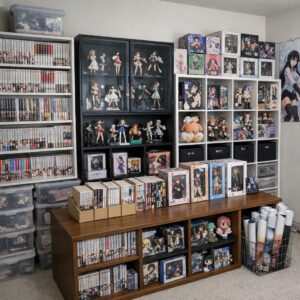
- Figures that fit a specific shelf, cabinet, or display area
Your theme does not need to be permanent. It is simply a filter. If a figure does not fit the theme, you should be able to explain why it deserves an exception before buying it.
It also helps to set a physical limit. Instead of planning for an undefined “collection room,” measure the shelf space you already have. Record its width, height, and depth, then compare those measurements with the figure and base dimensions listed by the manufacturer or retailer.
Understand the Main Figure Categories
Different figure types involve different trade-offs. The right starting category depends on whether you value affordability, articulation, size, detailed sculpting, or ease of display.
| Figure type | Typical characteristics | Useful for | Potential drawback |
|---|---|---|---|
| Prize figure | Usually non-articulated and designed as an accessible display option | Trying the hobby without committing to a premium piece | Paint, base design, and finishing can be simpler than on higher-end figures |
| Scale figure | Made to a stated scale such as 1/7 or 1/8, although the final dimensions vary by pose and design | Collectors who prioritize sculpting, character likeness, and display presence | Can require a larger budget and more vertical or horizontal space |
| Articulated figure | Includes movable joints and may include interchangeable faces, hands, or accessories | Changing poses and creating character scenes | Small accessories can be easy to misplace, and joints may be visible |
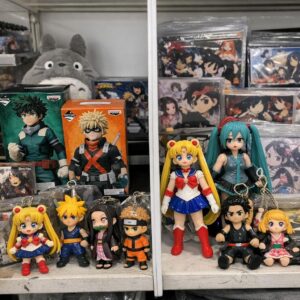
| Chibi or super-deformed figure | Uses exaggerated proportions and often includes interchangeable parts | Compact displays and collectors who enjoy posing | The stylized design may not suit collectors seeking screen-accurate proportions |
| Trading or blind-box figure | Small collectible sold individually or as part of a set; the character may not always be visible before opening | Small spaces and group displays | Duplicates and random selection can lead to unnecessary spending |
| Large statue or resin piece | Often heavier, more fragile, and more demanding to ship and display | Collectors who have confirmed the space, weight support, and total cost | Shipping, breakage risk, replacement options, and licensing status require careful review |
Do not choose by category name alone. Check the listed dimensions, materials, included parts, base size, and official product images for the specific release. A seated 1/7 figure, for example, may occupy less vertical space than a smaller-scale figure with a raised weapon or elaborate effect parts.
Set a Budget That Includes the Entire Purchase
The advertised figure price is only one part of the cost. Use the following calculation before ordering:
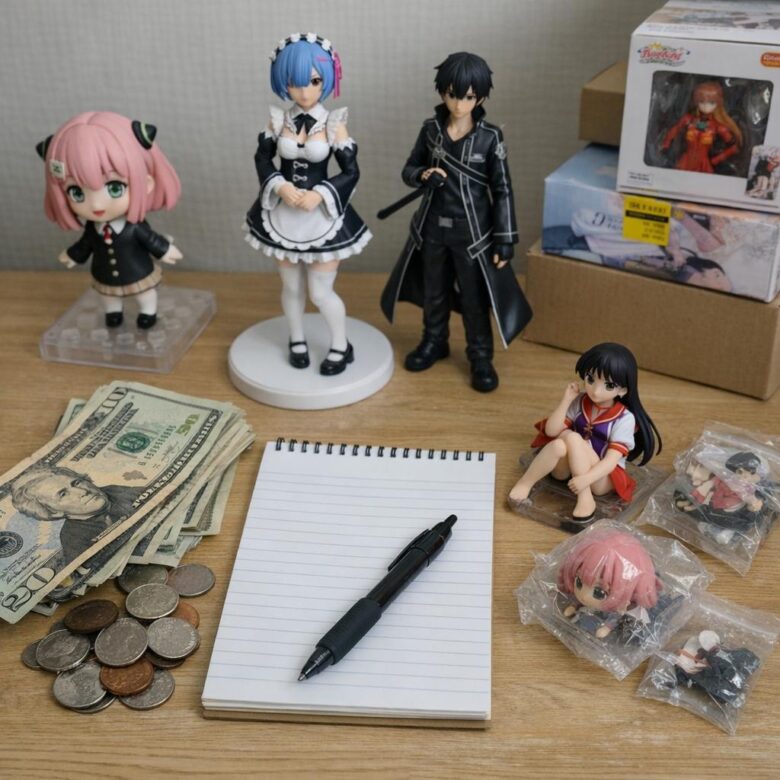
Total purchase cost = item price + domestic shipping + international shipping + service fees + taxes or customs charges + currency conversion costs + necessary display supplies
Not every order will include every cost. The purpose of the formula is to stop you from judging a purchase by the figure price alone.
For international orders, verify the following before checkout:
- Whether shipping is charged immediately or calculated later
- Which shipping methods are available for your destination
- Whether tracking, insurance, or compensation is included
- Whether the package may be divided into multiple shipments
- How the store handles damaged or lost parcels
- Whether your country may impose import tax, customs duty, or handling charges
Shipping methods, carrier restrictions, customs rules, and store policies can change. Check the retailer, carrier, and relevant customs authority for current information rather than relying on an older collector discussion.
Create a Separate Collecting Fund
Treat figure collecting as optional entertainment spending. Choose an amount that remains after essential expenses, savings goals, and existing obligations. Keeping that money in a separate budget category makes it easier to see what is genuinely available.
A simple system is to divide the collecting fund into three parts:
- Planned purchases: figures already approved on your priority list
- Shipping and fees: money reserved for costs that may be confirmed later
- Future fund: savings for a more expensive figure or an unannounced release of a favorite character
Hypothetical example: If a collector sets aside a fixed amount each month but wants a figure that costs several months of that allowance, waiting and saving preserves the budget. Buying it immediately with money intended for other expenses would not make it affordable simply because it is available now.
Use a Wishlist With Clear Priority Levels
A wishlist should help you reject purchases, not merely store links to everything you like. Divide it into priority levels:
- Priority A: A favorite character or design that fits the collection, shelf, and budget
- Priority B: A figure you like but would only buy at an acceptable total cost
- Priority C: An interesting release that can be skipped without disappointment
For each figure, record:
- Character, series, manufacturer, and product line
- Official product name and release version
- Height, width, depth, and base dimensions when available
- Included accessories or interchangeable parts
- Order deadline and estimated release window
- Payment timing
- Estimated shipping and other fees
- The maximum total amount you are willing to pay
Community databases such as MyFigureCollection can be useful for identifying versions, viewing owner photos, and finding reported bootleg concerns. However, community entries and comments are not substitutes for an official manufacturer listing, retailer policy, or customs notice. Cross-check details that affect your purchase.
Evaluate Each Figure Before Buying
Use the same decision process for discounted figures, preorders, and aftermarket listings. A sale does not turn the wrong figure into the right purchase.
The Five-Question Check
- Would I want this character if the figure were not described as limited or exclusive?
- Does it fit my collection focus?
- Do I have a confirmed place to display it?
- Can I pay the likely total cost without using money assigned to necessities?
- Do I prefer this figure to the other items already on my wishlist?
If several answers are “no” or “not sure,” place the figure on a waiting list instead of ordering it. A cooling-off period of a few days can separate genuine interest from the excitement of an announcement or sale.
Compare the Actual Versions
Popular characters may have prize, scale, articulated, and chibi interpretations. Compare the features that matter to you rather than assuming the most expensive version is automatically the best choice.
- Which pose best represents the character?
- Is the expression appealing from normal viewing distance?
- Are accessories important, or will they remain in the box?
- Does the base fit your shelf?
- Will the figure block or visually overwhelm nearby pieces?
- Does the design require support parts that you dislike?
Official promotional images are useful for understanding the intended product, but lighting and close-up photography can make a figure look different from a normal shelf display. If available, compare multiple official angles and clearly identified owner photos of the same release.
Approach Preorders Carefully
A preorder reserves a future purchase; it is not money saved. The main risk is committing to several releases before knowing their final combined shipping cost or how your circumstances may change.
Before placing a preorder, verify:
- When payment will be collected
- Whether a deposit is required
- Whether cancellation is permitted
- What happens if the release is delayed
- Whether orders can be combined
- How shipping will be calculated
- Whether the retailer may restrict an account after cancellations or missed payments
Read the store’s current policy before ordering. Do not assume that another retailer’s rules apply or that an old forum post still reflects the current terms.
Maintain a preorder calendar or spreadsheet with the expected release window, estimated total, payment status, and retailer. Add up everything that could become payable in the same month. If that total would exceed your collecting fund, reduce the number of preorders before the deadlines pass.
Consider Pre-Owned Figures Without Ignoring Condition
Pre-owned figures can offer good value, but condition descriptions are not standardized across all stores and marketplaces. One seller’s “good” condition may not match another seller’s grading system.
Check for:
- Missing hands, faces, weapons, stands, effect parts, or instruction sheets
- Broken pegs, loose joints, leaning, paint transfer, fading, stains, or sticky surfaces
- Odors or signs of smoke exposure when the seller provides that information
- Damage to the box or inner plastic packaging
- Whether the listing uses photos of the actual item
- The seller’s return process if the item differs from the description
A damaged box may be acceptable if you only care about displaying the figure, but missing support pieces or structural damage can affect safe display. Ask for additional photographs when the listing is unclear, especially for costly or fragile items.
Reduce the Risk of Buying a Bootleg
No single sign proves authenticity. A convincing box can be copied, while an authentic loose figure may have no packaging at all. Use several checks together.
- Identify the exact release. Confirm the manufacturer, product line, version, and included parts using the manufacturer’s official product information when available.
- Check the seller. Review the seller’s history, item descriptions, return terms, and whether the marketplace offers buyer protection.
- Examine the listing images. For pre-owned items, look for clear photographs of the figure, base, accessories, packaging, and any copyright markings relevant to that release.
- Question unexplained differences. Incorrect accessories, altered colors, rough seams, poor facial printing, or packaging that does not match the documented release deserve further investigation.
- Be cautious with unusually low prices. A low price is not proof of a bootleg, but it should prompt closer verification rather than an immediate purchase.
Licensing stickers, packaging styles, and regional labels vary by product and market. Do not reject or approve a figure based on one sticker alone. When possible, buy from the manufacturer’s listed partners or a retailer with clear authenticity and return policies. Verify current partner information through the manufacturer because authorized seller lists can change.
Control Shipping and Display Costs
Combining orders may reduce the number of shipments, but it is not automatically cheaper. A combined parcel can become larger, heavier, or subject to different carrier limits. Compare the store’s actual shipping quotes and policies instead of assuming consolidation will save money.
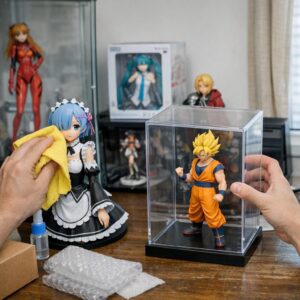
Display costs can also grow quietly. Begin with a clean, stable shelf rather than immediately buying lighting, risers, or a new cabinet. Add accessories only when they solve a specific problem, such as improving visibility or reducing crowding.
Protect the collection by:
- Using stable shelves that can support the displayed weight
- Keeping figures away from unstable edges and high-traffic areas
- Avoiding prolonged direct sunlight, which can contribute to fading and heat exposure
- Following the manufacturer’s assembly instructions
- Keeping small interchangeable parts in labeled containers
- Retaining packaging for fragile pieces when storage space allows
Common Overspending Traps
Buying Because Something Is “Limited”
Scarcity language can create urgency, but rarity does not guarantee that you will enjoy owning the figure. Ask whether you would still want it without the limited label.
Buying Cheap Figures You Only Partly Like
Several low-cost purchases can consume more money and space than one planned figure. Judge each item by interest and fit, not by whether it seems inexpensive compared with a premium release.
Completing a Set Out of Obligation
You do not need every character, variant, or costume in a line. If you only like two figures in a set, displaying those two is a complete collection for your purposes.
Ignoring Release Clusters
Several manageable preorders can become unaffordable when their payment windows overlap. Review the combined total, not each order in isolation.
Using Aftermarket Prices as a Deadline
An asking price only shows what a seller hopes to receive. It does not establish a figure’s value to you or guarantee that the item will sell for that amount. Decide on your maximum total cost in advance and be willing to walk away.
Buying Storage to Support Unplanned Purchases
If every order requires another shelf, cabinet, or storage box, the collection may already exceed its intended space. Pause purchases and reorganize before expanding the display.
A Practical First-Collection Plan
- Choose one series, character group, or visual theme.
- Measure the display area and record its dimensions.
- Set a monthly hobby limit based on genuinely disposable funds.
- Create a shortlist of no more than a few priority figures.
- Compare figure types and versions of the characters you want.
- Calculate the likely total cost of the first purchase.
- Verify the release, seller, payment terms, shipping policy, and return policy.
- Wait before purchasing anything that was not already on the shortlist.
- Buy one figure and assess the experience before placing several orders.
Final Purchase Checklist
- The figure fits the collection’s theme.
- The exact version and manufacturer have been confirmed.
- The dimensions fit the intended display area.
- The total cost has been estimated, including shipping and possible fees.
- The purchase stays within the collecting fund.
- The seller’s authenticity, cancellation, shipping, and return terms have been reviewed.
- Any preorder payment has been added to the budget calendar.
- The decision is based on the figure itself, not only on a discount or scarcity claim.
A budget-friendly anime figure collection is built through selection rather than volume. Start with one piece that fits your interests, space, and finances. A smaller display of carefully chosen figures will usually be easier to maintain—and more personally meaningful—than a crowded shelf of impulse purchases.

The Enfet Otaku Life Editorial Team creates and maintains practical guides about anime viewing, conventions, cosplay, collectibles, merchandise, and licensed streaming. The site focuses on clear, useful information and encourages readers to verify time-sensitive details with official sources.